 Theodora Chapman
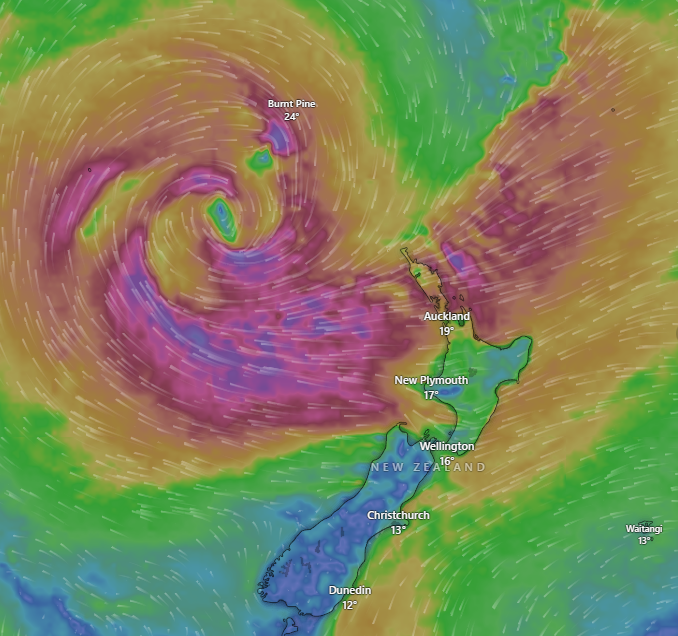
 As New Zealand progresses through May 2025, the country experiences a gradual shift from autumn to winter, marked by cooler temperatures, increased rainfall, and regional climatic contrasts. Recent severe weather events, including heavy rainfall and gales, have intensified risks in parts of the South Island. Here’s a detailed analysis of current conditions and forecasts across the North and South Islands.
National Overview
- Temperatures:
- Daytime highs range between 13°C–17°C, with cooler nights averaging 8°C–12°C (lower in alpine regions).
- South Island areas like Queenstown and Christchurch may see frosty mornings, especially toward month-end.
- Rainfall:
- 3–8 rainy days nationally, though western regions (e.g., Fiordland) face prolonged heavy showers.
- Monthly totals vary: 68–125 mm nationally, with localised deluges in flood-prone areas.
- Sunshine:
- 4–5 hours daily on average, with clearer skies in eastern regions like Hawke’s Bay.
Acute Weather Risks
South Island Flooding and Waterfall Hazards
- Heavy Rainfall:
- Waterfall Activity:
- Milford Sound’s Stirling Falls and Bowen Falls are flowing at peak intensity, with boat cruises offering close views but requiring caution due to strong currents5.
- Hidden Risks: Smaller waterfalls like Hundred Falls (near Homer Tunnel) and Waipohatu Falls (Catlins) become volatile after heavy rain, with slippery tracks and flash runoff27.
Wind and Coastal Threats
- Severe Gales:
- Wellington faces red-level wind warnings (gusts exceeding 120 km/h), prompting flight and ferry cancellations8.
- Central NZ experiences power outages and tree falls due to southeasterly gusts9.
- Coastal Erosion:
- Eastern North Island braces for large swells, exacerbating shoreline erosion6.
Regional Breakdown
North Island
- Auckland:
- Daytime highs: ~17°C, nights ~10°C.
- Rainfall: 111–125 mm spread over 14–17 days, with brief coastal showers.
- Wellington:
- Daytime highs: ~14°C, with severe winds disrupting travel and infrastructure8.
South Island
- Christchurch:
- Daytime highs: ~14°C early May, dropping to ~10°C by month-end.
- Flood Risks: Surface flooding reported in low-lying suburbs8.
- Queenstown:
- Daytime highs: ~10°C, with early snow dusting the Remarkables range.
- Road Conditions: Crown Range Road may require chains due to icy patches.
Travel and Safety Recommendations
- Fiordland Precautions:
- Canterbury/West Coast:
- Monitor NZTA updates for SH73 (Arthur’s Pass) and SH1 (flood-prone sections).
- Postpone hikes in Arthur’s Pass National Park until water levels subside.
- Wellington:
- Secure loose outdoor items; avoid coastal walkways during gales8.
Long-Term Climate Context
While northern regions see above-average temperatures, southern frosts arrive earlier than usual. NIWA’s models suggest a wet bias for western South Island through mid-May, with drier spells in the North Island6.
Summary
May 2025 offers a blend of crisp air, vibrant autumn colours, and quieter tourist hotspots, juxtaposed with acute weather risks in the South Island. Travellers should prioritise layered clothing, flexible itineraries, and real-time weather monitoring.
Essential Adjustments for Current Conditions:
- South Island: Carry emergency kits with thermal blankets, torches, and extra food.
- North Island: Focus on sheltered activities (e.g., Rotorua’s geothermal parks) during wind events.
For real-time updates, monitor MetService and NZTA alerts.
Note: All temperatures use Celsius; rainfall data reflects historical averages and current warnings.