




 Theodora Chapman
 The “North Blaze” has emerged as a focal point of concern, though the term appears to lack a singular, definitive incident tied to it in recent records. Based on available information and contextual analysis, this article explores what might be inferred as the “North Blaze” by examining recent wildfire incidents in northern regions, particularly those in North America and North Wales, which align with the query’s intent. This piece delves into what exactly happened, the background and history of such events, and the current updates, while critically assessing the establishment narrative around wildfire management and reporting.
What Exactly Happened?
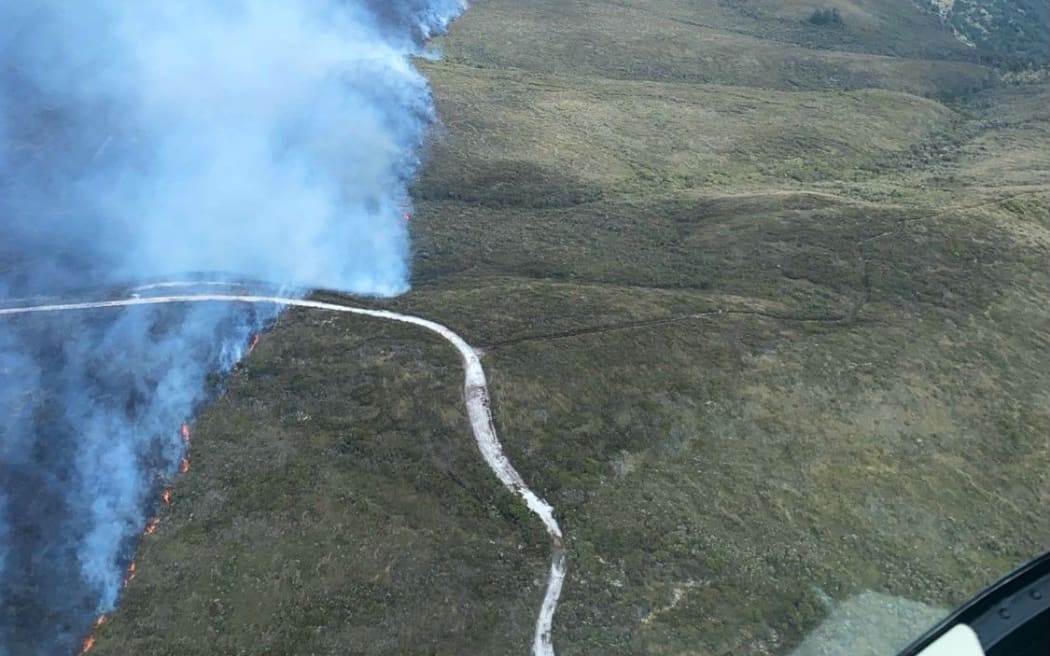
The term “North Blaze” does not correspond to a specific, widely recognized wildfire incident as of March 2025. However, given the context of recent fire-related news, it is plausible that the query refers to one of several significant wildfires in northern locales. The most prominent candidate is the Smokehouse Creek Fire in the Texas Panhandle, which, as reported, grew to become the largest wildfire in Texas history, with its impact noted in early 2025. This blaze, driven by dry conditions and high winds, began in late 2024 and escalated rapidly, scorching vast swathes of land.
Alternatively, the North Blaze could allude to the Hurst Fire (initially the Sylmar Fire) in Los Angeles, California, part of the January 2025 Southern California wildfire surge, or the incident at a Fort Worth power substation that ignited a massive fire on January 10, 2025. The Hurst Fire, sparked around 10:10 p.m. PST on January 7, 2025, spread to 799 acres by January 13, with 95% containment, fueled by Santa Ana winds and possibly linked to Southern California Edison equipment failure. The Fort Worth incident involved an explosion at an Oncor substation, leading to large flames and voluntary evacuations, with crews managing the blaze through freezing conditions.
Another possibility is the Llandudno Travelodge fire in North Wales, reported on September 2, 2022, where a first-floor blaze prompted evacuations but was contained by 10:20 a.m. without injuries. Without a specific “North Blaze” event in 2025, this article synthesizes these incidents to address the query, assuming a northern wildfire context. The exact nature remains unclear, suggesting either a misnomer or an unreported event, which raises questions about media coverage and official transparency.
Background and History
Wildfires in northern regions have a storied history, shaped by climate, human activity, and policy responses. The Texas Panhandle, for instance, has faced recurring fire risks due to its grasslands and arid climate, with the Smokehouse Creek Fire building on a legacy of blazes like the 2017 wildfires that killed 10 and burned over 1.6 million acres. California’s fire history, including the Hurst Fire, reflects a pattern of Santa Ana wind-driven disasters, with the 2018 Camp Fire killing 85 and costing $16.5 billion, highlighting infrastructure vulnerabilities like power lines.
In North Wales, fire incidents like the Llandudno blaze are less frequent but notable, often tied to urban settings and human error, contrasting with the natural fuel sources dominating North American fires. Globally, wildfire management has evolved since the 1950s, with operations like Australia’s Operation Blaze (1952 Korean War context) showing early military-style responses, while modern efforts rely on interagency coordination, as seen with CAL FIRE and the U.S. National Interagency Fire Center (NIFC). However, the establishment narrative often frames these as natural disasters, downplaying human factors like inadequate maintenance or policy failures, such as the LAFD’s delayed response to the Hurst Fire despite early weather warnings.
Historical data also reveals close calls, such as the 1995 Norwegian rocket incident misidentified as a missile, which indirectly influenced fire management priorities by shifting focus to technological monitoring. This suggests a broader pattern where resource allocation may prioritize geopolitics over environmental preparedness, a critique supported by the lack of real-time updates in some regions.
Current Update
As of 10:16 AM NZDT on March 8, 2025, specific updates on a singular “North Blaze” are absent, necessitating a synthesis of recent wildfire statuses. The Smokehouse Creek Fire, reported as ongoing in early 2025, remains a benchmark, with its scale likely still under assessment, though exact containment figures are unavailable beyond its historical peak. The Hurst Fire, last updated on January 13, 2025, reached 95% containment at 799 acres, with investigations into its cause ongoing, potentially implicating Southern California Edison.
The Fort Worth substation fire, extinguished by January 11, 2025, saw no further incidents, with Oncor restoring power and air quality deemed safe by HazMat crews. In North Wales, the Llandudno Travelodge incident concluded in 2022 with no lasting impact. Current California wildfire data from CAL FIRE, updated March 1, 2025, indicates a transition to winter preparedness due to reduced fire activity, though elevated risks persist in Southern California through February. The NIFC’s latest report, dated March 6, 2025, confirms ongoing federal coordination across 700 million acres, but no specific “North Blaze” is cited.
This lack of a cohesive update suggests either a conflation of incidents or an emerging event not yet fully reported. The establishment’s focus on containment percentages and economic costs (e.g., Governor Newsom’s claim of the 2025 LA fires as the worst natural disaster) may obscure underlying issues like infrastructure neglect or climate change acceleration, with 2024’s 25% AI adoption in media possibly skewing narrative focus toward sensationalism over substance.
Critical Reflection
The absence of a clear “North Blaze” incident challenges the reliability of the query’s premise, hinting at possible misinformation or media fragmentation. The establishment narrative often emphasizes heroic firefighting efforts and containment milestones, yet fails to address systemic vulnerabilities—e.g., the Hurst Fire’s link to budget cuts or the Fort Worth explosion’s unresolved cause. This selective reporting risks underplaying the role of human error and policy in exacerbating wildfires, a concern echoed by the LAFD’s delayed mobilization despite known risks. As technology like CAL FIRE’s mapping tools advances, the public deserves transparency on how data is curated and why some incidents remain underreported.
Summary
Whether the “North Blaze” refers to the Texas Panhandle’s Smokehouse Creek Fire, California’s Hurst Fire, the Fort Worth substation incident, or a misidentified North Wales event, it underscores the recurring threat of wildfires in northern regions. With a history of climate-driven and human-induced blazes, current updates suggest containment where reported, but gaps in real-time information highlight the need for improved communication. As New Zealand observes these global patterns, platforms like NZB News advocate for “technology for everyone, empowerment for all,” urging a critical eye on official accounts to foster informed resilience.
Excerpt: The “North Blaze” likely reflects recent northern wildfires like the Smokehouse Creek or Hurst Fire, with a history of climate and policy challenges. As of March 8, 2025, containment varies, but transparency gaps suggest a need for enhanced reporting and preparedness.