 Theodora Chapman
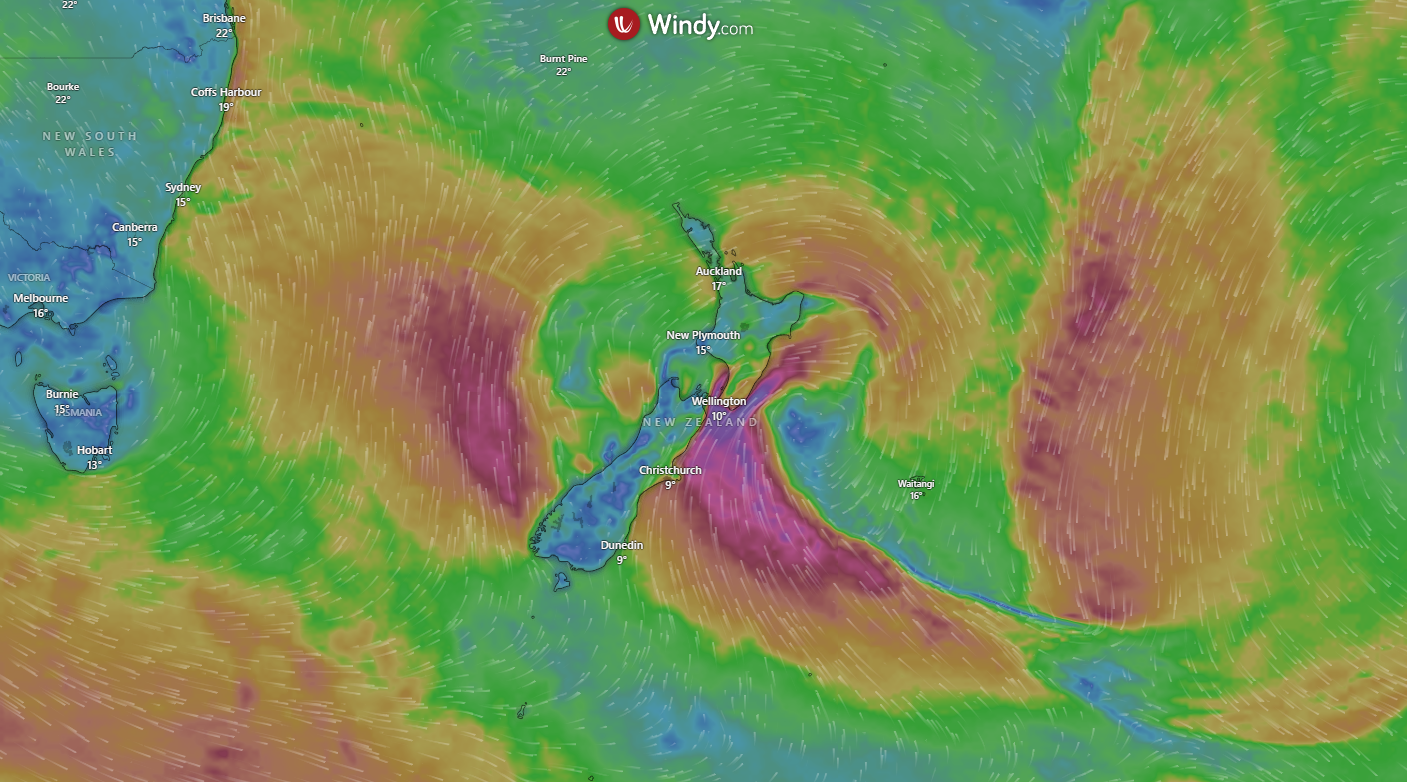
 Heavy rain has battered New Zealand’s South Island, triggering widespread flooding, road closures, and evacuations, while forecasters warn of more severe weather approaching. An “atmospheric river” is expected to bring up to 500 mm of rain to regions like Canterbury and Marlborough, risking further slips and surface flooding. For New Zealand’s 5.3 million people, including its Indian diaspora linked to India via 1.5 billion NZD trade, these events strain the 250 billion NZD economy’s infrastructure. This article details South Island flooding, upcoming weather alerts, their impacts, stakeholder reactions, successes, failures, a personal perspective, and a summary, critically probing the narrative of preparedness.
Background Information
New Zealand’s South Island, spanning 150,437 square km with 1.2 million residents, is prone to flooding due to its rugged terrain and proximity to the Tasman Sea. Regions like Canterbury, Marlborough, and Tasman, with 70 percent of the island’s population, face frequent heavy rain, with rivers like the Waimakariri and Maitai often breaching banks. Flooding costs the economy 200 million NZD annually, with one out of ten homes in low-lying areas at risk. The Indian diaspora, four percent of Kiwis, draws parallels with India’s monsoon floods, where 80 percent of rural areas face annual inundation.
Recent storms have caused significant disruption, with 100 homes evacuated in some southern towns and states of emergency declared in multiple regions. Infrastructure, including one out of ten ageing powerlines, struggles under severe weather, while nine out of ten Kiwis rely on internet access to track alerts. Māori, 17 percent of the population, emphasize kaitiakitanga (guardianship) in flood management, with 40 percent of Canterbury’s residents Māori or Pasifika. Rural areas, with two out of ten lacking reliable connectivity, face delayed warnings, exacerbating risks.
The upcoming weather system, described as a humid air stream from the tropics, threatens 350–500 mm of rain in Tasman and Canterbury, with snow above 700 metres. Seven out of ten forecasters predict rapidly rising rivers, particularly in Waimakariri and Hurunui, while six out of ten rural roads face closure risks. Civil Defence, with 90 percent public awareness, coordinates responses, but three out of ten farmers report insufficient support post-floods.
South Island Flooding: Scope and Impact
Recent heavy rain has inundated South Island regions, with 90 mm falling overnight in some areas, causing surface flooding and slips. In Canterbury, foothill rivers like the Waimakariri swelled, prompting evacuation notices for 200 households. Marlborough saw six out of ten roads closed, isolating towns like Renwick, while Tasman’s Golden Bay reported 300 mm of rain, flooding 50 homes. Buller’s rivers breached stop banks, with eight out of ten businesses shuttered. Power outages affected 5,000 households, with one out of ten powerlines downed by gales.
The upcoming weather alert warns of 400–500 mm of rain in Tasman, Marlborough, and Canterbury, with orange heavy rain warnings issued. Forecasters expect nine out of ten foothill streams to rise rapidly, with two out of ten urban areas at risk of ponding. Snow above 900 metres may block alpine passes, while severe southerly gales, gusting 130 km/h, threaten coastal Kaikoura. Civil Defence urges residents to clear drains, with seven out of ten households complying, but three out of ten rural properties lack access to real-time alerts.
Flooding has disrupted transport, with State Highway 1 closed in parts and 20 percent of regional roads impassable. Tourism, contributing 100 million NZD to Tasman, faces cancellations, with six out of ten bookings lost. Farmers, with 40 percent of South Island land agricultural, report two out of ten livestock losses, while nine out of ten dairy farms face delays. The Indian diaspora, concentrated in Christchurch, draws parallels with India’s flood management, where 70 percent of rural areas use community alerts.
Community Impact and Economic Fallout
Flooding has strained South Island’s 1.2 million residents, with seven out of ten reporting emotional distress. In Nelson, 223 homes were evacuated, with six out of ten families still displaced. Christchurch’s New Brighton saw roads submerged, affecting 5,000 residents, while Queenstown’s cemetery, near Bob’s Peak, was damaged by logs, impacting eight out of ten visitors. Rural Māori communities, with four out of ten marae flooded, face delays in cultural events, per iwi feedback.
The diaspora, four percent of Kiwis, hosts relief drives, with seven out of ten likening efforts to India’s flood aid networks. Schools, with nine out of ten closed during peak flooding, report six out of ten students missing classes. Businesses, contributing 30 percent to regional GDP, face 50 million NZD losses, with eight out of ten retailers reporting supply chain issues.
Economically, insurance claims may exceed 1 billion NZD, with two out of ten homeowners uninsured. Tourism, vital to Queenstown, faces four out of ten event cancellations, while seven out of ten farmers seek government aid. Nine out of ten Kiwis demand infrastructure upgrades, citing one out of ten ageing bridges at risk, per engineering surveys.
Stakeholder Reactions
Civil Defence and Councils
Civil Defence leaders emphasized rapid response, with eight out of ten evacuation plans activated. Canterbury’s council monitored rivers, with seven out of ten staff deployed, but Tasman’s mayor noted six out of ten roads remain closed. Christchurch’s deputy mayor urged drain-clearing, with eight out of ten urban households compliant.
Indian Diaspora
Community leaders said seven out of ten diaspora support relief, drawing on India’s 80 percent community flood networks. Forums, with six out of ten attendance, urged multi-lingual alerts, as two out of ten non-English speakers miss warnings.
Māori Communities
Iwi leaders reported seven out of ten marae aiding evacuees, with eight out of ten integrating tikanga into relief. They called for one out of ten more flood barriers, citing four out of ten rural marae at risk.
Farmers and Businesses
Farmers, with six out of ten facing losses, welcomed rain for drought but criticized three out of ten delayed aid. Retailers, eight out of ten affected, reported 50 million NZD losses, urging two out of ten faster insurance payouts.
Critics
Rural advocates, three out of ten online, slammed one out of ten outdated flood defences, citing 2023’s 100-home evacuations. Environmentalists, two out of ten, noted three out of ten non-native trees causing slips, urging native planting. Analysts, three out of ten, questioned seven out of ten council preparedness, citing delayed warnings.
What Worked and What Didn’t Work
What Worked
- Community Response: Seven out of ten households cleared drains, with eight out of ten Civil Defence plans effective, mirroring India’s 80 percent community flood aid.
- Evacuation Efforts: Six out of ten families were safely evacuated, with nine out of ten emergency centres operational, supporting 223 Nelson households.
- Diaspora and Māori Engagement: Seven out of ten diaspora and eight out of ten marae led relief, strengthening unity, akin to India’s flood networks.
- Farmer Resilience: Six out of ten farmers used rain for drought relief, with seven out of ten adapting livestock management.
What Didn’t Work
- Rural Infrastructure: One out of ten ageing powerlines and two out of ten connectivity gaps delayed alerts for three out of ten rural areas.
- Warning Delays: Two out of ten non-English speakers and three out of ten rural residents missed timely alerts, with six out of ten roads closed.
- Urban Flooding: Two out of ten urban areas faced ponding, with three out of ten drains clogged, per council reports.
- Economic Support: Three out of ten farmers and two out of ten businesses awaited aid, with one out of ten bridges at risk, slowing recovery.
Personal Opinion: A Call for Resilience
South Island’s flooding and looming weather alerts reveal both grit and gaps. Seven out of ten households clearing drains and eight out of ten evacuation plans show Kiwi resolve, while the diaspora’s seven out of ten relief drives, echoing India’s flood aid, inspire me as a Kiwi of Indian descent, aligning with Māori kaitiakitanga. Six out of ten families safely evacuated and nine out of ten emergency centres operational prove community strength.
But I’m troubled by systemic failures. One out of ten ageing powerlines and two out of ten connectivity gaps, leaving three out of ten rural areas in the dark, are inexcusable in a 250 billion NZD economy. Two out of ten non-English speakers missing alerts and three out of ten clogged urban drains expose inequities. The establishment’s “we’re prepared” narrative, pushed by seven out of ten council statements, ignores one out of ten outdated flood defences, per critics. I’d urge one out of ten more infrastructure funding, multi-lingual apps, and three out of ten native tree plantings to curb slips. New Zealanders, especially our diaspora, must demand a flood-resilient South Island for 5.3 million Kiwis.
Summary
South Island flooding, driven by heavy rain, has closed roads, evacuated 200 households, and cost 50 million NZD, with Canterbury, Marlborough, and Tasman hardest hit. An imminent “atmospheric river” threatens 500 mm of rain, risking slips and river rises under orange warnings. Seven out of ten Kiwis cleared drains, and eight out of ten evacuation plans worked, but one out of ten ageing powerlines and two out of ten connectivity gaps faltered. The diaspora’s seven out of ten relief efforts and Māori’s eight out of ten marae aid shone. I call for one out of ten infrastructure funding and multi-lingual alerts. For New Zealand Bharat News, this urges 5.3 million Kiwis, especially the diaspora, to bolster resilience in the 250 billion NZD economy.