

 Lara Zijl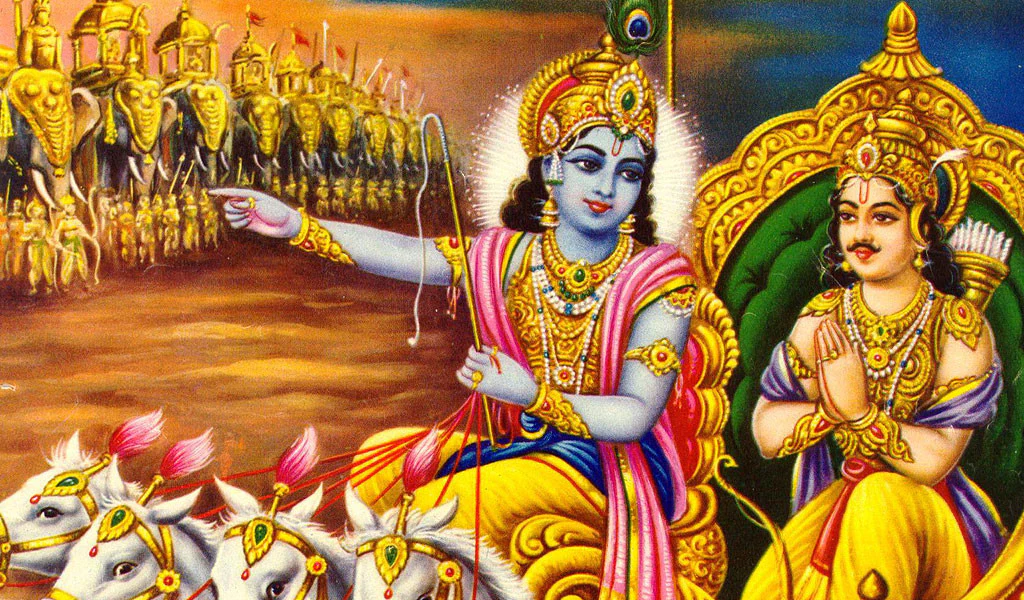
A Daily Exploration of Dharma, Jnana, and Relevance to Modernity
By Swami Gitananda
Published on New Zealand Bharat (NZB) News, May 13, 2025
Om Shri Madhusudanaya Namaha. Salutations to Madhusudana, the slayer of delusion and bestower of viveka (discernment), as we continue our exploration of Adhyaya 2 of the Bhagavad Gita, the Moksha-Shastra (scripture of liberation) that transforms Kurukshetra into a dharmakshetra of eternal truth. Yesterday, in Adhyaya 2, Shloka 13 (May 12, 2025), Krishna deepened sankhya-yoga, comparing the atman’s journey through deha’s stages (kaumaram, yauvanam, jara) to its attainment of another body (dehantarapraptir), asserting that the wise (dhirah) are not deluded (na muhyati) by these changes. Today, in Shloka 14, Krishna explains that sensory contacts (matra-sparshah) with objects produce transient sensations of cold, heat, pleasure (sukha), and pain (duhkha), urging Arjuna to endure them (titikshasva) as they are impermanent (anityah). This shloka advances sankhya-yoga’s practical wisdom, Krishna’s kripa as Jagadguru guiding Partha from tamas to sattva.
This series is a daily sadhana (spiritual practice), offering one shloka at a time—its direct meaning, a profound exploration of its tattva (essence), insights from sampradayas (spiritual traditions), a yogic and philosophical analysis, and its resonance with modern fields like quantum science, leadership, psychology, and svasthya (wellbeing). As the fourteenth shloka of Adhyaya 2—titled Sankhya-Yoga—it unveils Krishna’s jnana, guiding Partha to titiksha (endurance) and svadharma (personal duty). Let us immerse ourselves in Adhyaya 2, Shloka 14, where Krishna’s upadesha reveals the impermanence of sensory experiences and the path to viveka.
The Shloka
मात्रास्पर्शास्तु कौन्तेय शीतोष्णसुखदुःखदाः।
आगमापायिनोऽनित्यास्तांस्तितिक्षस्व भारत॥
Matra-sparshas tu kaunteya shitoshna-sukha-duhkha-dah,
Agamapayino’nityas tans titikshasva bharata.
Direct Meaning
“[The Blessed Lord said:] O Kaunteya (kaunteya), the contacts of the senses with their objects (matra-sparshas tu) give rise to cold and heat, pleasure and pain (shitoshna-sukha-duhkha-dah). They come and go (agamapayinah), being impermanent (anityas). Endure them (tans titikshasva), O Bharata (bharata).”
In this verse, Krishna, as Shribhagavan, addresses Arjuna as Kaunteya and Bharata, explaining that matra-sparshah (sensory contacts) produce transient sensations of shita (cold), ushna (heat), sukha (pleasure), and duhkha (pain), which are impermanent (anityas) and cyclical (agamapayinah). He urges titiksha (endurance), dispelling moha and shoka (grief) for svajanam and gurun by fostering viveka.
Detailed Explanation of the Shloka
This shloka builds on Shloka 13’s teaching of atman’s immutability (dehantarapraptir), shifting focus to the deha’s sensory experiences that fuel Arjuna’s shoka (Shloka 8) and krup (Shlokas 4-6) for svajanam (kin), gurun (teachers), and dhartarashtrah (Kauravas). Krishna introduces matra-sparshah (sensory contacts) as the source of transient shita-ushna (cold-heat) and sukha-duhkha (pleasure-pain), emphasizing their impermanence (anityas) and cyclical nature (agamapayinah). By urging titikshasva (endure), Krishna guides Partha to viveka, transcending moha’s attachment to sensory outcomes. Kurukshetra remains a manas-kshetra (field of mind), where svadharma battles kleshas (raga, dvesha, abhinivesha). Krishna, as Jagadguru, shifts drishti (vision) from indriya’s (senses’) fluctuations to atman’s steadiness, dispelling vishada. Let us explore its layers with viveka, bhakti (devotion), and vichara (inquiry).
- Matra-Sparshas Tu Kaunteya: The Contacts of the Senses, O Kaunteya
- Matra-Sparshas: “Contacts of the senses with their objects,” matra (sense-objects, measures) + sparshas (contacts), refers to indriya (senses) interacting with vishaya (objects), e.g., touch, sound, sight.
- Tu: “Indeed,” emphasizes matra-sparshah as the cause of shoka.
- Kaunteya: “O son of Kunti,” Arjuna’s epithet, used in Adhyaya 1, Shloka 27, evokes kripa’s warmth, grounding upadesha in shishya-bhava (disciple’s attitude).
This phrase identifies moha’s root—matra-sparshas as samsara’s sensory trap, Kaunteya personalizing jnana for Partha’s vishada.
- Shitoshna-Sukha-Duhkha-Dah: Giving Rise to Cold, Heat, Pleasure, and Pain
- Shitoshna: “Cold and heat,” shita (cold) + ushna (heat), sensory experiences of temperature, symbolizing opposites.
- Sukha-Duhkha-Dah: “Giving pleasure and pain,” sukha (pleasure) + duhkha (pain) + dah (giving), denotes emotional and physical sensations from matra-sparshah.
This clause highlights samsara’s duality—shitoshna and sukha-duhkha as transient kleshas, fueling raga (attachment) and dvesha (aversion), shoka’s cause.
- Agamapayinah Anityas: They Come and Go, Being Impermanent
- Agamapayinah: “They come and go,” agama (coming) + apayinah (going), denotes cyclical, fleeting nature of sensory experiences.
- Anityas: “Impermanent,” a-nityas (not eternal), contrasts sukha-duhkha with atman’s nitya (eternal) nature (Shloka 12).
This phrase is sankhya’s insight—agamapayinah anityas reveals matra-sparshah’s transience, moha’s attachment to anitya dispelled by viveka.
- Tans Titikshasva Bharata: Endure Them, O Bharata
- Tans: “Them,” refers to matra-sparshas and their effects (sukha-duhkha).
- Titikshasva: “Endure,” titiksh (to endure, bear), imperative, urges titiksha (forbearance), a yogic virtue for mental steadiness.
- Bharata: “O descendant of Bharata,” Arjuna’s epithet, used in Shloka 10, evokes Kuru lineage and dharmic duty.
This clause is sankhya’s call to action—titikshasva fosters sthairyam (steadfastness), Bharata urging svadharma amidst samsara’s flux, shoka transcended.
- Sankhya-Yoga’s Practical Wisdom
Krishna’s matra-sparshas and titikshasva advance sankhya-yoga—atman is nitya (eternal), indriya’s contacts are anitya (transient), shoka rooted in avidya (ignorance). Kurukshetra mirrors samsara’s karmic crucible, svadharma veiled by kleshas (raga for sukha, dvesha for duhkha, abhinivesha for deha). The Gita’s question persists: Can titiksha stabilize manas (mind) against moha’s tides? Krishna, as Jagadguru, unveils viveka’s path, guiding Partha to sattva and kshatriya duty.
This shloka, then, is sankhya-yoga’s practical guide—matra-sparshas revealing samsara’s impermanence, titikshasva fostering viveka, moha met with Shribhagavan’s jnana. It invites us to reflect: Do we, like Arjuna, cling to sukha-duhkha’s flux, and can we seek Shri Bhagavan’s upadesha to cultivate titiksha?
Spiritual Wisdom from Authoritative Voices
The Bhagavad Gita’s divya-tattva (divine essence) shines through the bhashyas (commentaries) of acharyas, each illuminating its eternal truth. Let us draw from their insights, weaving a jnana-sutra (thread of wisdom).
- Adi Shankaracharya (Advaita Vedanta)
Shankaracharya sees matra-sparshas as maya’s play—sukha-duhkha are anitya, atman is nitya. Titikshasva reflects viveka, detaching from indriya’s illusions. He writes, “Krishna’s upadesha unveils Brahman beyond samsara,” aligning with Shloka 20: “Na jayate mriyate va”—“The soul is neither born nor dies.” Moha dissolves in advaita’s ekatva (oneness). - Ramanujacharya (Vishishtadvaita)
Ramanuja interprets titikshasva as bhakti’s discipline—matra-sparshas test the jiva, sukha-duhkha resolved in Narayana’s kripa. Krishna’s upadesha sparks prapatti (surrender). He notes, “Titiksha aligns manas with Ishvara’s sankalpa,” aligning with Adhyaya 12: “Bhaktya mam abhijanati”—“Through devotion, one knows me.” Shoka is a bhakta’s trial, resolved by kripa. - Madhvacharya (Dvaita)
Madhvacharya views matra-sparshas as Vishnu’s lila—sukha-duhkha are transient, jiva eternal in Vishnu’s grace. Titikshasva reflects devotion to Vishnu’s sankalpa. He emphasizes, “Krishna’s vachah is moksha’s path,” echoing Adhyaya 18: “Mam ekam sharanam vraja”—“Take refuge in me,” transcending moha’s duhkha. - Swami Vivekananda (Neo-Vedanta)
Vivekananda reads Shloka 14 as humanity’s resilience. “Matra-sparshas are samsara’s waves,” he writes. Sukha-duhkha fuel moha, but titiksha awakens atma-shakti. He urges viveka in the karmakshetra (field of action), aligned with Adhyaya 2: “Yoga-sthah kuru karmani”—“Established in yoga, perform actions” (Shloka 2.48). Bharata inspires duty beyond indriya’s sway.
Yogic and Philosophical Analysis
Shloka 14 is a yogic and philosophical milestone, Krishna’s titikshasva engaging Vedanta’s inquiry: Can viveka stabilize manas against sukha-duhkha’s flux? Let us explore this through yogic, Vedantic, and Ayurvedic lenses.
- Yogic Perspective: Sukha-Duhkha as Klesha
In Patanjali’s Yoga Sutras (2.15), sukha-duhkha are kleshas—raga (attachment to sukha), dvesha (aversion to duhkha), and abhinivesha (fear of loss) drive samsara. Arjuna’s shoka (Shloka 8) reflects raga for svajanam’s sukha, dvesha for yuddha’s duhkha. Matra-sparshas cause chitta-vikshepa (mental agitation), hindering chitta-shuddhi (mental purification). Krishna’s titikshasva inspires dhyana-yoga (Adhyaya 6), guiding manas to sattva with atman’s steadiness. - Vedantic Inquiry: Moha vs. Atman
The Mundaka Upanishad (3.1.9) states, “Vijananat samsara samudratishthati”—“Through knowledge, one crosses samsara’s ocean,” suggesting sukha-duhkha’s root is avidya (ignorance). Arjuna’s moha clings to preyas (indriya’s sukha), missing shreyas (atman’s shanti). Krishna’s anityas affirms atman’s nitya nature, foreshadowing Shloka 20: “Na jayate mriyate va”. Titiksha fosters viveka, freeing jiva from moha’s tides. - Ayurvedic Insight: Sukha-Duhkha as Tamas-Rajas
Ayurveda sees sukha-duhkha as rajas (agitation) and tamas (dullness), disrupting vata-pitta balance and ojas (vitality). Matra-sparshas’ shitoshna reflects vata’s instability, shoka (Shloka 8) dulling kapha’s stability. Krishna’s titikshasva evokes sattvic sthairyam, restored through pranayama (nadi shodhana), asana (shavasana), and sattvic ahara (pure diet), aligning chitta with Shribhagavan’s kripa.
Relevance to Today’s Context
The Bhagavad Gita is a jivan-shastra (manual for life), vibrant in 2025. Let us explore how Shloka 14 resonates with quantum science, leadership, and svasthya, reflecting its timeless wisdom as we stand on May 15, 2025.
- Quantum Science and Cosmology
Arjuna’s shoka mirrors quantum flux—matra-sparshas as transient wave-particle interactions, sukha-duhkha as ephemeral states. Krishna’s anityas evokes atman’s eternal substrate, akin to a quantum field’s unchanging essence. Titikshasva suggests resilience amidst uncertainty, resonant with 2025’s quantum theories of consciousness and impermanence in cosmological models. - Leadership and Business
In the corporate Kurukshetra, sukha-duhkha reflect leadership’s highs and lows—matra-sparshas as market volatility or stakeholder pressures. Krishna’s titikshasva inspires dharma-driven leadership, viveka prioritizing shreyas over preyas, aligned with 2025’s adaptive frameworks like resilient leadership and ESG-driven decision-making. - Svasthya (Wellbeing)
Arjuna’s moha mirrors modern stress—chitta-vikshepa from sensory overload or emotional swings. Krishna’s titikshasva evokes shanti through atman’s steadiness. Practices like pranayama, dhyana (meditation), and sattvic living nurture ananda, freeing manas from rajas-tamas, resonant with 2025’s mindfulness, neuroplasticity research, and holistic wellness trends.
Conclusion: The Path of Titiksha
This fourteenth shloka of Adhyaya 2 advances sankhya-yoga—matra-sparshas revealing samsara’s impermanence, titikshasva fostering viveka, moha met with Shribhagavan’s jnana. It mirrors samsara’s kleshas, dharma veiled by avidya, yet Krishna’s upadesha is sadhana’s spark. Each day, we unveil another shloka of this divya-gita, seeking satyam (truth) and sundaram (beauty), as we reflect on this teaching in the context of May 15, 2025.
Tomorrow, Krishna explains that one who remains undisturbed by sukha-duhkha attains amritatva (immortality), further guiding viveka. Let us approach with bhakti and vichar (inquiry), chanting: “Yatra yogeshvarah krishno” (Gita 18.78)—where Krishna is, victory follows. May His kripa guide us onward.
Hari Om Tat Sat.